
28 دقائق للقراءة 5592 كلمة

Ministry of Health Discusses Strengthening Health Communication with the International Rescue Committee (IRC) to Protect Children
Aden – Awafi
Amid growing health challenges in Yemen, rumors and misinformation about vaccines have emerged as major factors contributing to declining immunization rates, leading to the resurgence of preventable childhood diseases such as measles and polio. These developments pose a serious threat to the health of thousands of children across the country.
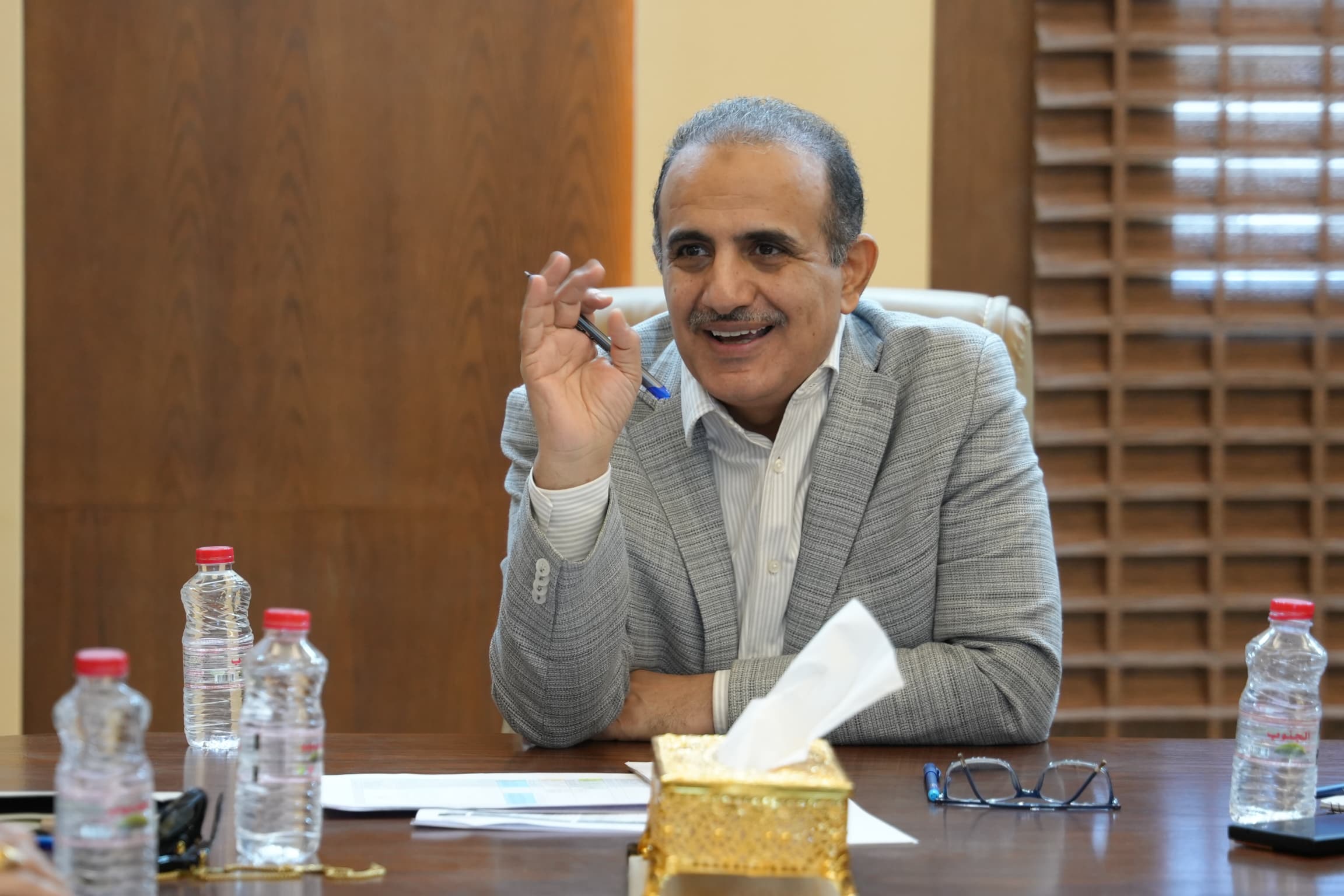
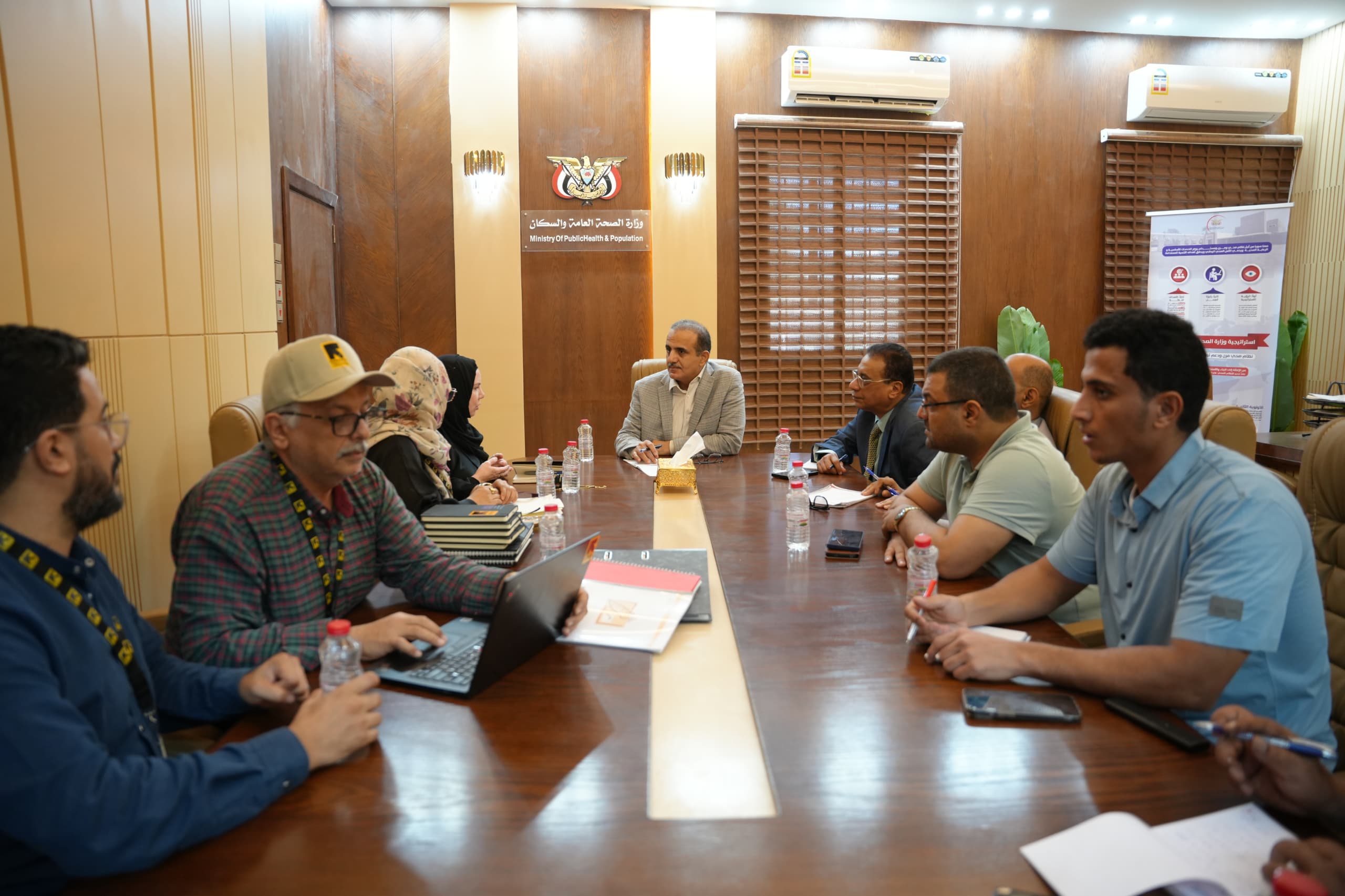
In this context, Yemen’s Minister of Public Health and Population, Dr. Qassem Buhaybah, met in the interim capital Aden with a delegation from the International Rescue Committee (IRC), led by Deputy Country Director for Programs, Julie Hefner, to discuss ways to strengthen partnership and expand health interventions. The discussions focused on primary healthcare, maternal and child health, mental health and psychosocial support, and community health communication, all aimed at improving access to services and enhancing public awareness.
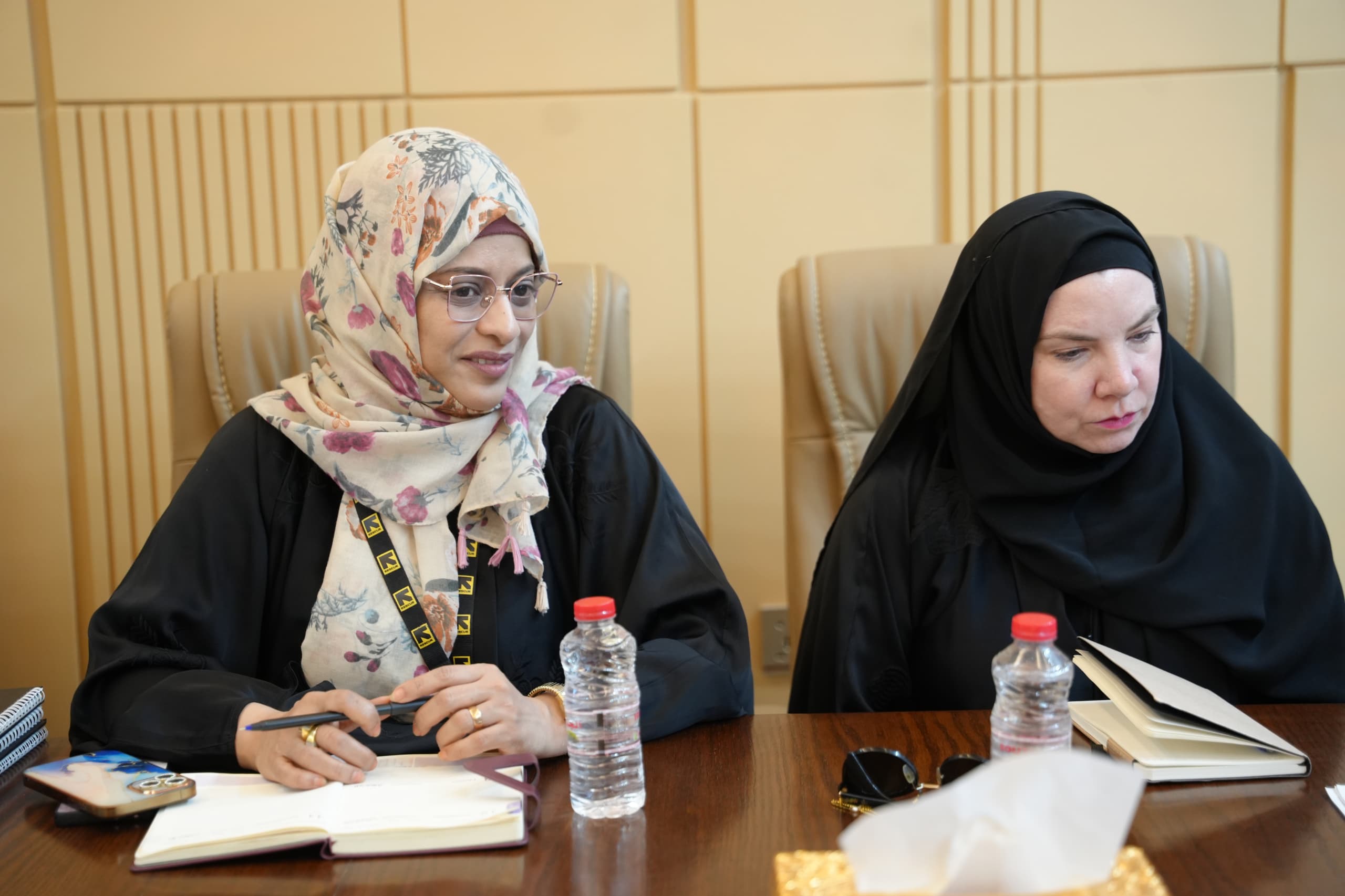
Julie Hefner reaffirmed the IRC’s commitment to continuing its support for health programs in Yemen, particularly in the areas of maternal and child health, and emphasized the importance of developing impact measurement tools to ensure effective and sustainable outcomes.
Health Communication: A Cornerstone for Increasing Immunization Uptake
Dr. Aref Al-Hoshabi, Director of the National Center for Health Education and Information, stated to Awafi that strengthening community health communication is essential to increasing the uptake of immunization services in Yemen, especially in light of the challenges posed by widespread rumors and misinformation about vaccines.
He highlighted the success of the Ramadan health awareness campaign “Seha wa Afia” (Health and Wellness), implemented during February and March 2026 under the supervision of the National Center, in partnership with UNICEF, and executed by the Awafi Health Media Foundation. The campaign produced and disseminated 163 digital media materials and 48 radio episodes, achieving more than 9.7 million views and over 871,000 engagements, with outreach extending to 12 governorates.
Al-Hoshabi emphasized that these results demonstrate the importance of investing in evidence-based health communication and expressed the Center’s aspiration to expand collaboration with international partners, particularly the IRC, to support awareness campaigns and increase immunization uptake, thereby protecting the health of children and mothers and reaching the most vulnerable communities.
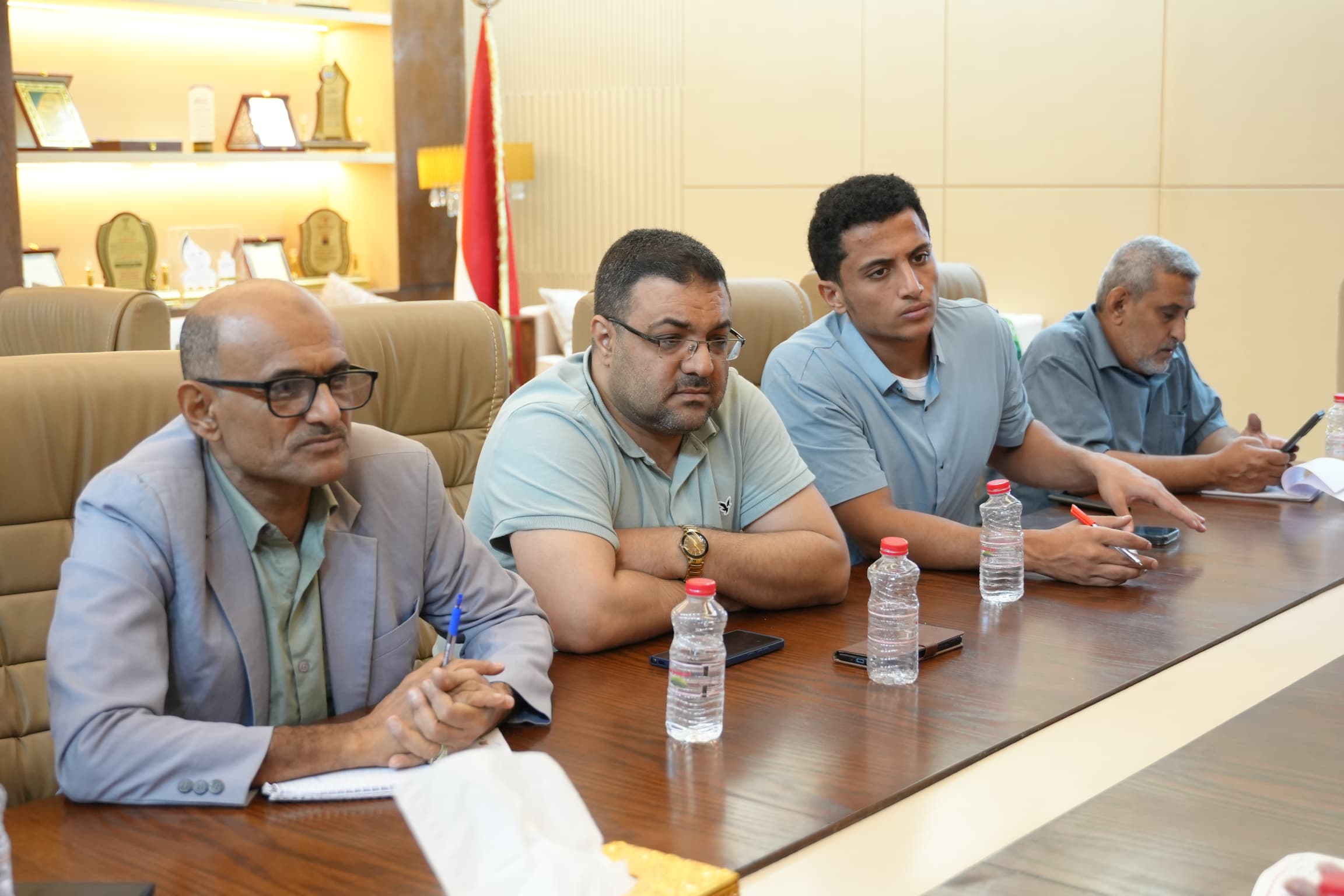
Health Newsroom: A National Model for Combating Misinformation
For his part, Wael Sharha, Executive Director of the Awafi Foundation and Project Manager of the Health Newsroom, noted that vaccine-related rumors remain one of the most significant challenges facing immunization programs in Yemen due to their direct impact on public trust and families’ willingness to vaccinate their children.
Sharha explained that the Health Newsroom was established in 2022 by the Awafi Foundation as part of the global Rooted in Trust initiative, led by Internews and funded by the United States Agency for International Development (USAID). The initiative was implemented in more than 19 countries through over 30 partner organizations, aiming to strengthen trust in health information and combat misinformation.
He added that within six months, the Health Newsroom produced 126 diverse media pieces to counter vaccine misinformation, involving 48 trained journalists whose work was published across 18 local media outlets. These efforts significantly enhanced community awareness and stimulated positive public discussions about the importance of immunization. They also contributed to supporting the resumption of vaccination campaigns in some hard-to-reach areas during 2023, highlighting the vital role of health media in supporting public health policies and protecting children from vaccine-preventable diseases.
Sharha further emphasized that building on this experience through partnerships with international organizations, such as the IRC, would help expand the initiative’s impact and strengthen public confidence in vaccines.
Conclusion
These efforts underscore the importance of evidence-based health communication as an effective tool for enhancing community awareness and improving the uptake of immunization services. They also highlight the capacity of national initiatives to create sustainable impact in supporting child health across Yemen.
:Related Stories
Podcast: Parents Committed to Vaccinating Their Children Despite the Rumor8 Epidemic
Yemeni Parents Debunk Rumors Surrounding Childhood Vaccination
Podcast: Rumors Fuel the Spread of Childhood Diseases
Diphtheria and Deadly Rumors Threaten Yemen’s Children
Immunization Gaps Drive the Return of Eradicated Diseases in Conflict Zones